

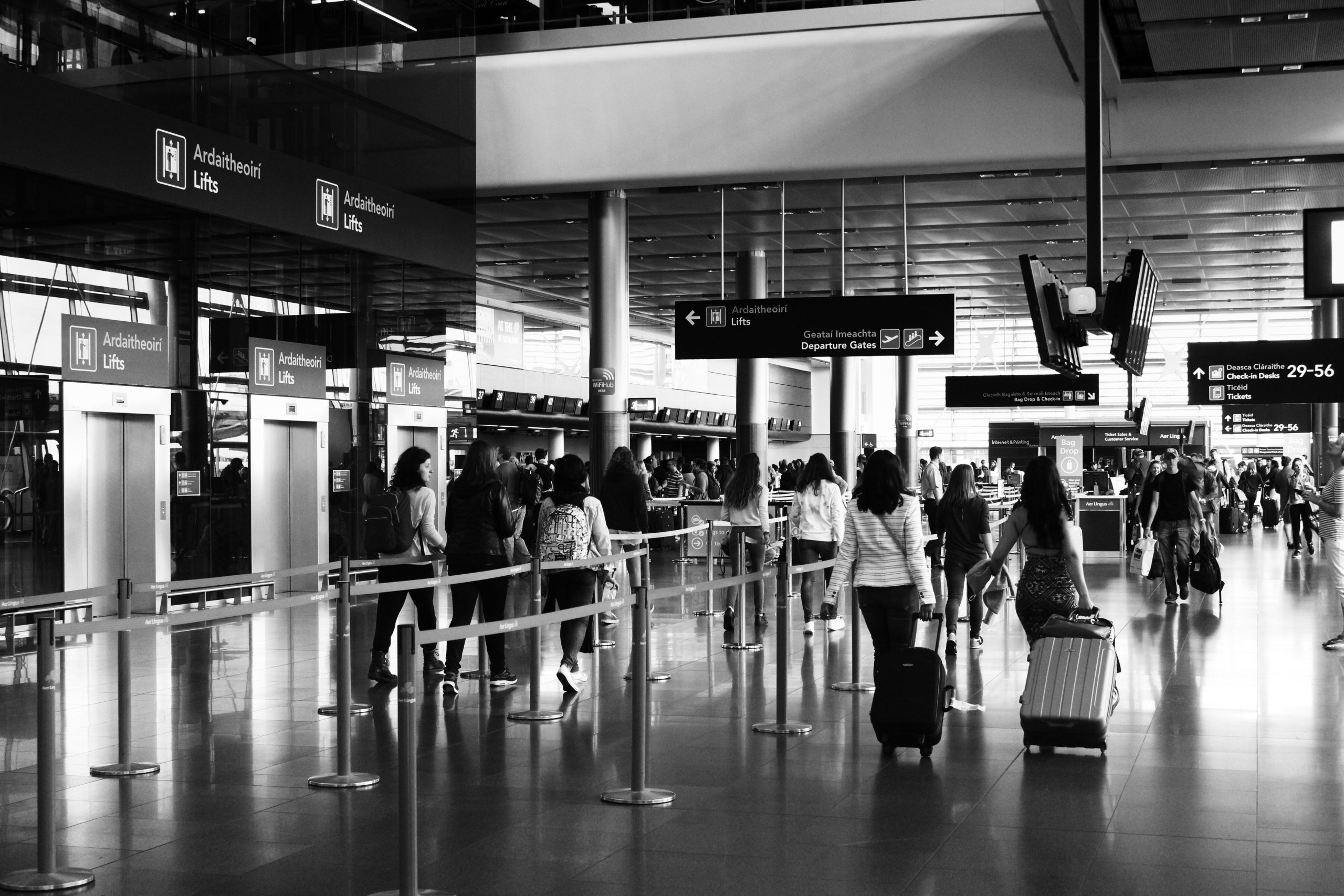
Immigration is often seen as exciting, hopeful, and full of opportunity.
And it is
But there is another side that is rarely talked about.
Behind the new beginnings, many people quietly carry grief, uncertainty, and questions about who they are becoming.
If you have ever thought, “Why do I feel bad when I should be happy?” you are not alone.
The Invisible Losses of Immigration
Immigration is not just leaving a place. It is leaving parts of your life behind.
You may be missing:
- Family and loved ones
- Close friendships and support systems
- The comfort of your native language
- Your career identity and achievements
- Familiar places, routines, and culture
- A clear sense of who you are
This experience is known as immigration grief.
It is not a weakness.
It is a natural response to a major life change.
You can feel grateful and sad, hopeful and exhausted all at the same time.
Living Between Two Worlds
Before immigrating, you may have felt:
- Confident
- Established
- Connected
- Secure in your identity
After immigrating, you might feel:
- Lost or unsure
- Limited by language
- Dependent on others
- Like a stranger
This gap can be painful but over time, something new can form:
“I am not only from where I came from. I am someone who carries two cultures and continues to grow.”
The Emotional Journey (It’s Not Linear)
Everyone experiences this differently, but many people move through stages like:
1. Anticipation – excitement, fear, hope, guilt
2. Honeymoon – everything feels new and full of possibility
3. Reality – challenges begin to surface
4. Grief – sadness, anger, confusion, longing
5. Adjustment – rebuilding, slowly finding balance
You may move back and forth between these. That is normal.
Different Ages, Different Experiences
Children & Teens
They may adapt quickly on the outside, but still struggle internally.
They might:
- Feel anxious or withdrawn
- Act out or become quiet
- Struggle at school
- Feel “between two cultures”
What helps: routine, open conversations, and staying connected to culture.
Adults
Many adults carry everything at once, work, finances, parenting, relationships.
They may experience:
- Career setbacks
- Financial stress
- Relationship strain
- Pressure to “stay strong”
What helps: community, support, and realistic expectations.
Older Adults
Immigrating later in life can feel especially heavy.
They may experience:
- Isolation
- Deep homesickness
- Loss of purpose
- Dependence on family
What helps: connection, meaningful routines, and community belonging.
When to Reach Out for Support
You don’t have to wait until things feel overwhelming.
Support can help if you notice:
- Ongoing sadness or emptiness
- Anxiety that does not go away
- Trouble sleeping
- Pulling away from others
- Feeling like you don’t belong anywhere
A Gentle Reminder
“Struggling does not mean I made the wrong decision.
It means I am human, responding to change.”
You are allowed to grieve what you lost
while still building something new.
Both can exist together.
You Don’t Have to Go Through This Alone
At Better Life Counselling Centre, we understand that immigration is more than a move, it is an emotional transition.
Our team offers a safe, supportive space where you can:
- Make sense of your emotions
- Rebuild your sense of identity
- Process grief and loss
- Strengthen your coping strategies
- Feel understood without judgment
Whether you are newly arrived or have been here for years, your experience matters.
If this resonates with you, reaching out can be a powerful first step.