

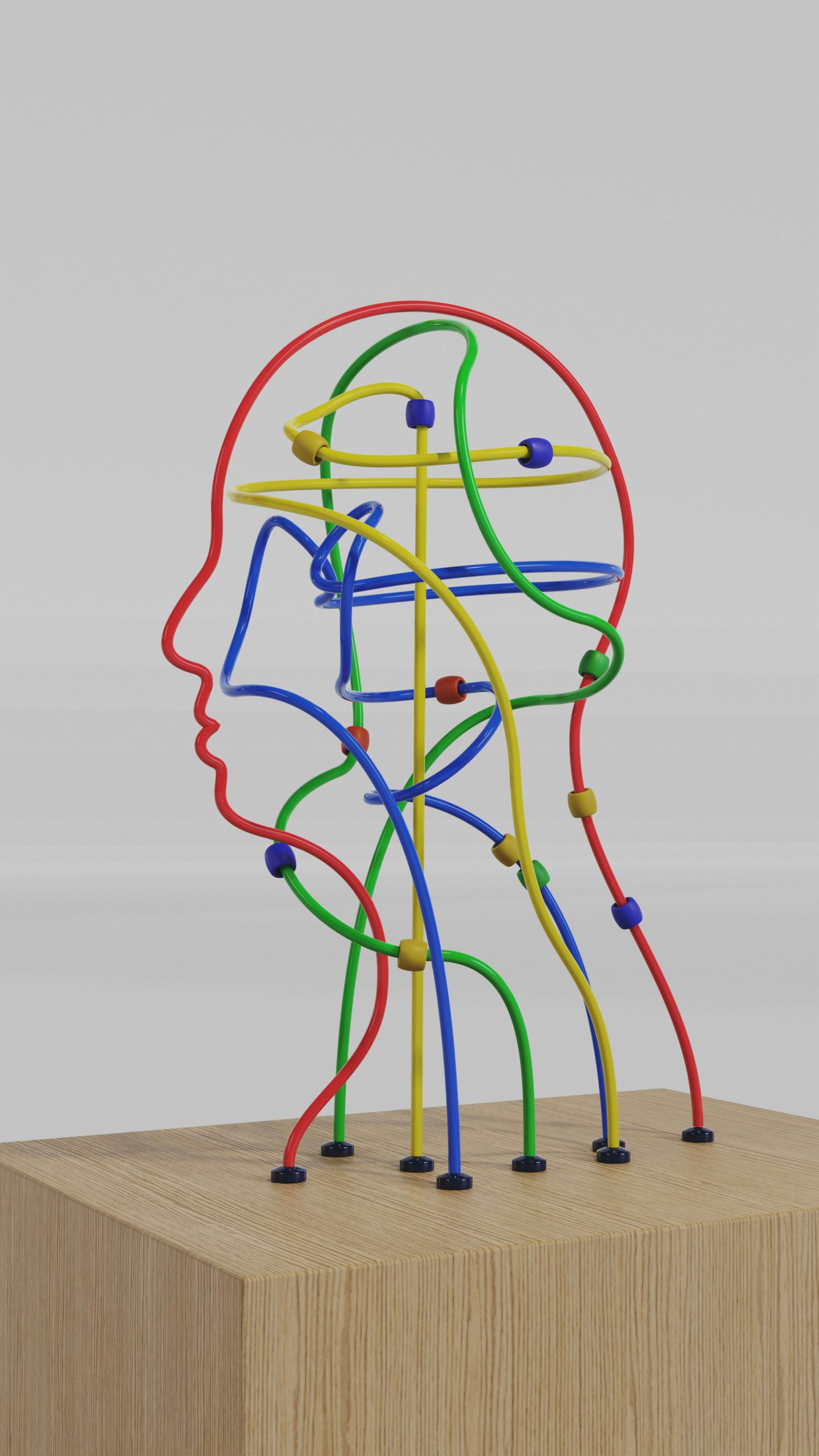
A Gentle Guide to Brain Training
It is a way of helping your brain learn how to function more effectively.
Neurofeedback might sound complex, but at its core, it’s actually quite simple.
Think of it like this:
When you look in a mirror, you adjust your appearance based on what you see.
Neurofeedback works in a similar way, but instead of a mirror, it gives your brain feedback about how it is functioning.
What Is Neurofeedback?
Neurofeedback is a type of biofeedback, a method that helps you become aware of processes in your body that usually happen automatically.
With the help of specialized technology, neurofeedback allows you to:
- See your brain activity in real time
- Learn how your brain responds to stress, focus, and emotions
- Train your brain to develop healthier patterns
For example, just like you can learn to slow your heart rate using breathing techniques, you can also train your brain to:
- Improve focus and attention
- Reduce anxiety-related activity
- Stay calm and regulated
Over time, your brain begins to build new, healthier habits, just like learning any other skill.
What Can Neurofeedback Help With?
Neurofeedback has been used for decades to support a wide range of concerns.
It is commonly used for:
- ADHD (attention, impulsivity, hyperactivity)
- Anxiety and stress
- Depression
- Sleep difficulties
- Migraines
- Learning challenges
- Autism spectrum conditions
- Tics and other neurological concerns
It is also used by individuals who want to enhance performance, such as:
- Students
- Athletes
- Musicians
- Professionals in high-focus roles
How Does Neurofeedback Actually Work?
During a neurofeedback session:
- Small sensors are placed on the scalp
- These sensors only record brain activity (nothing is sent into the brain)
- A computer processes this information in real time
- Feedback is provided through visuals or sounds (often games or animations)
As your brain responds, it receives feedback and begins to adjust itself.
This is why neurofeedback is often called “brain training.”
Your brain is learning, step by step, how to function more efficiently.
How Do Neurofeedback Sessions Look Like?
Neurofeedback is a gradual learning process, not a quick fix.
Typically:
- Sessions are held twice per week
- Progress is often seen after around 20 sessions (depending on the individual)
- Consistency is important for best results
Before starting, an assessment may be done (such as QEEG brain mapping) to understand how your brain is functioning and create a personalized plan.
Who Can Benefit from Neurofeedback therapy?
Neurofeedback can be helpful for many people, but results vary depending on individual needs.
It may be especially beneficial for:
- Individuals with attention difficulties
- People experiencing anxiety or emotional dysregulation
- Those looking to improve focus, organization, and self-control
For example, individuals with ADHD may experience:
- Better focus and attention
- Improved organization
- Reduced impulsivity
- Increased ability to complete tasks
Are There Any Side Effects?
Neurofeedback is considered a safe and non-invasive method.
- No electricity or stimulation is sent into the brain
- It works purely through observation and learning
In some cases, if the training is not well-matched to the person, there may be temporary mild discomfort or limited results, but serious side effects are not expected.
A Holistic Approach
Neurofeedback often works best when combined with other supports such as:
- Counselling
- Behavioral strategies
- Lifestyle adjustments
It is not about “fixing” the brain, but about helping it learn and adapt.
You Don’t Have to Figure This Out Alone
At Better Life Counselling Centre, we offer neurofeedback and biofeedback as part of a personalized, evidence-informed approach to care.
Our trained professionals can help you:
- Understand whether neurofeedback is right for you
- Create a tailored plan based on your needs
- Support you throughout your progress
- Combine neurofeedback with other effective therapies
Whether you are exploring options for yourself or a loved one, we are here to guide you.
If you are curious about neurofeedback or want to learn more, reaching out is a great first step.